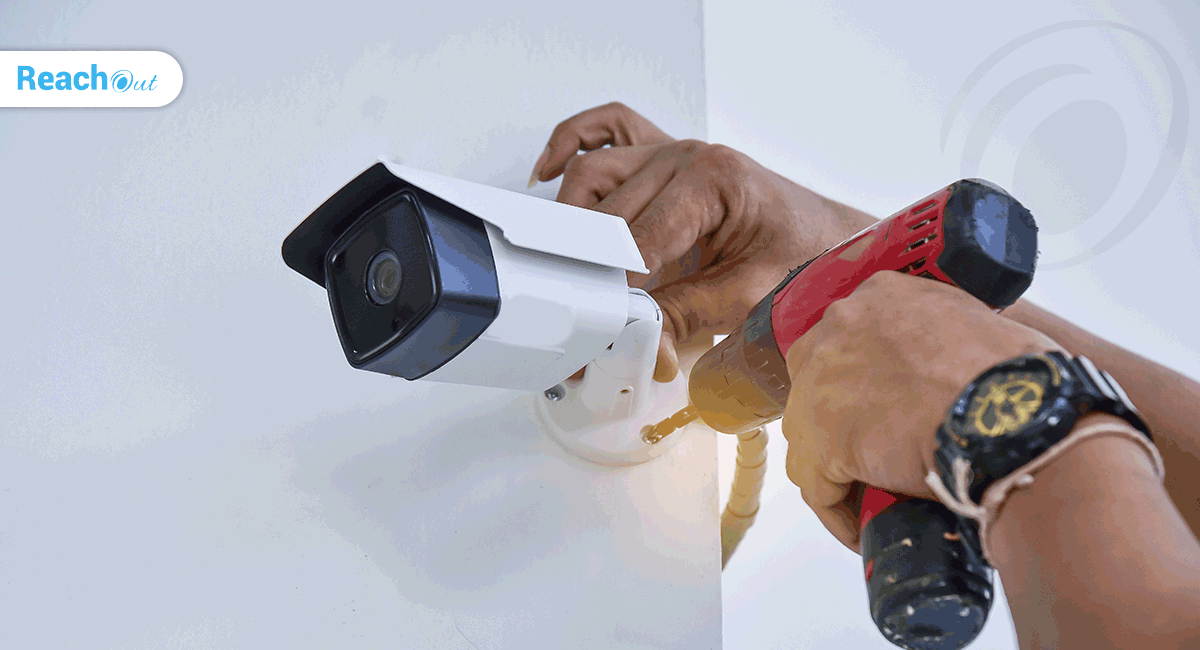
With more customers realizing the benefits of having CCTVs installed, CCTV installation businesses are one of the most lucrative businesses today. Investing in CCTV installation software makes setting up and managing the business super-easy.
As more customers realize the benefits of getting CCTVs installed, CCTV installation businesses are among the most lucrative startup ideas today. Yet most technicians looking to turn their expertise into business brands are unsure how to start a CCTV camera business, let alone thrive in a competitive market.
The answer is simple. Strategic planning and effective management.
And it starts with defining a target market. Trying to serve everyone can make it harder to position the business in the crowd. Instead, narrowing a broad audience to a specific target group and clearly defining the service areas can lay a stronger foundation.
The next step should focus on mapping the startup costs. You can choose to start small, but consider the immediate operational needs like equipment purchases, transportation, and legal and licensing costs.
Over time, CCTV entrepreneurs must also prepare to build installation expertise, invest in marketing the business, establish repeatable workflows, and provide ongoing maintenance and support.
As the business grows, one must understand how to utilize digital tools. FSM software for CCTV installation can help maintain service quality with effective management of jobs, technicians, customers, documentation, invoicing, and service operations.
This article provides a detailed guide to setting up and successfully running a Security system installation business from the ground up, covering various aspects such as:
- Understanding the landscape of the CCTV market
- Navigating the challenges commonly found in CCTV installations
- Getting started with a CCTV business
- Utilizing digital service management tools effectively
If you’re a CCTV professional wondering how to start a CCTV camera business, then this blog is for you!
An Overview of the CCTV Market
The CCTV market is booming, thanks to increasing concerns about security and safety and the rise of surveillance and smart cities.
The surging demand of the global CCTV market, projected to reach a massive USD 105.2 billion by 2029 at a rate of 16.8% annually, is creating a thriving market for Security system installation software. This software is used by service providers to efficiently set up CCTV systems in various locations like banks, hospitals, transport hubs, and other premises.
Innovations in camera technology have improved the capabilities of CCTV systems. High-definition cameras and advanced streaming systems make remote live monitoring and control easy. Businesses can leverage AI-powered video analytics to improve security and operational efficiency.
Besides, integrating CCTVs with IoT creates a more interconnected and responsive security ecosystem. Technological advancements lower hardware and installation costs, making CCTV devices more affordable.
The CCTV market is booming! Growing concerns about security and surveillance, and the rise of smart cities, are expanding CCTV adoption into new markets. CCTV customers today range from businesses, homeowners, schools, institutions, hospitals, banks, to public places.
Studies predict that the global CCTV market will reach USD 105.2 billion by 2029, growing at a CAGR of 16.8%.
Innovations in camera technology are also revolutionizing the market dynamics. High-definition cameras, advanced streaming systems, remote live monitoring, and easy controls are changing how CCTVs are used. In addition, AI-powered video analytics and IoT integration with CCTV are creating a more interconnected and responsive security ecosystem.
Each of these factors is constantly shifting customer preferences and expectations. Customers no longer want to use CCTV cameras just to record and store videos. They want to access camera feeds remotely, store footage securely, receive alerts, and monitor multiple locations from a single interface.
As a result, installation is only one part of the overall customer requirement. Maintenance, upgrades, troubleshooting, and support can become more important sources of recurring business.
Read more: How a field service software benefits security and CCTV installation companies
Navigating the Challenges in CCTV Installations
The boom and possibilities notwithstanding, CCTV service providers face various challenges. Its accurate to say that they face a two-sided challenge: technical difficulties on the job site and navigating client needs effectively.
-
Privacy Concerns – Installers must be mindful of privacy laws and regulations when placing cameras and data storage. Additionally, CCTV systems face the risk of potential cyber attacks.
-
System Integration – CCTV systems need to connect with other security or IT systems. Ensuring compatibility and smooth data flow with these systems pose difficulties.
-
Data Storage – HD cameras produce vast quantities of data, requiring investments in secure and expanded storage as well as effective data management solutions.
-
Installation conditions – Every installation site poses different challenges. Sometimes it’s the mounting location, poor lighting, or weather. Sometimes it is the existing infrastructure or other technical installation complexities.
-
Networking requirements – Modern CCTV systems heavily rely on a good network system to facilitate functions like remote access and video transmission. Poor connectivity or bandwidth, and complex network configurations, can affect the system performance
-
Cybersecurity – Connected systems always come with the threat of cyber attacks. CCTV technicians and installers must particularly ensure devices are secured and that users implement strong passwords and credentials. They must also apply firmware updates and other appropriate network security practices.
-
Maintenance and system updates – Over time, CCTV and surveillance systems can pose issues like video failure, storage problems, and connectivity or system faults. Service providers must ensure such issues are promptly dealt with and systems go through regular maintenance to avoid such interruptions
On top of these hurdles, CCTV installers grapple with other issues. These include fine-tuning CCTV and AI systems to minimize false alarms, ensuring robust network configurations, weatherproofing cameras for various environments, and creatively navigating space limitations during installations.
By successfully navigating the complexities and challenges, CCTV installers are then well-equipped to launch and operate a thriving business.
Read more: Best Installation Management Software for Field Service Companies
How to Start a CCTV Camera Business
One of the first decisions you’ll make when starting a CCTV business is choosing a name — and it’s worth getting right from day one. A strong name helps with local search visibility, referrals, and the first impression you make on potential clients. If you’re still working through this, here are 300+ field service and security business name ideas to spark ideas before you register.
Starting a CCTV business becomes easier with a methodical approach.
1. Make a business plan
A thorough market analysis is the first step in starting a CCTV installation business.
Identify a target market and the demand for CCTV systems. Evaluate the market size, penetration, competitor strength, and potential growth opportunities.
Identify a target market for your CCTV systems. Understand your target audience well and recognize their demand patterns. This will help you clearly define your products, services, and pricing models.
Once you have identified your target audience and planned your products and services, evaluate the market size, penetration, competitor strength, and potential growth opportunities. It is essential to map these right at the beginning so that you have a strong strategy in place.
Next, consider legal and regulatory requirements. Research licensing, permit requirements, and privacy laws at the state and local levels.
After a thorough background study, develop a business plan.
- Have clarity on the target market, pricing models, marketing strategies, and operational processes.
- Identify the relevant challenges and devise action plans to cope with them.
- Set realistic goals and milestones.
Your business plan must include your marketing strategies, operational process, and staffing requirements. Most of all, you must understand the costs you must incur to get your business up and running.
Set realistic short-term and long-term goals and milestones. Map out in steps how to achieve them and the costs associated with them.
It’s beneficial to identify the potential challenges at an early stage. This will help you devise action plans to cope with them.
2. Choose your target market and services
CCTV installation and surveillance is a wide market. The first step in identifying your target market is determining the type of customers you want to serve: B2B or B2C.
Businesses, corporate offices, retail stores, and warehouses fall into the B2B client spectrum. Their surveillance needs may focus on higher safety protocols. Such clients may often prefer high-definition cameras and modern surveillance systems.
B2C clients like residential homes and privately owned properties may have a lighter surveillance requirement. Most of these client requirements might be limited to good-quality video recording and storage.
Industrial facilities, construction sites, and property management companies are often high-value clients for CCTV installation businesses. Their requirements typically go beyond basic surveillance. There’s a growing demand for connected systems, remote access, real-time monitoring, and integrated security solutions to improve visibility and strengthen security.
Based on the client group you select, you can plan your service focus. This can range from CCTV installation to system upgrades, repairs, and troubleshooting, preventive maintenance, site surveys, commercial CCTV services, and more.
Although you may have expertise across multiple areas, choosing a specific specialty or area of expertise can help your business differentiate itself and stand out in your target market.
3. Build product and service portfolios
After committing to the business, set up products and service portfolios.
- Identify and source the hardware. Use high-quality cameras, cables, switches, and other accessories that meets customer requirements.
- Set up a reliable supply chain. Identify suppliers and backup suppliers, and strike up transportation arrangements.
- Develop workflows to provide ongoing support, including troubleshooting, repairs, firmware updates, and regular maintenance services. Ensure easy access to technical assistance for customers.
- Integrate quality control measures into workflows.
- Hire a talented workforce and train them. Professional installation and prompt maintenance depend on the competency of the workforce.
- Curate resources such as installation guides, handbooks, and FAQs. These resources contribute to a knowledge base that can address troubleshooting.
Once you have decided on a target market and specialization, the next step is to set up product and service portfolios.
You must first identify the equipment you want to catalog and ensure availability to source the hardware. Your product portfolio can include top-quality CCTV cameras, cables and connectors, DVR/NVR systems, video storage solutions, PoE and other network switches, networking equipment, and accessories like mounts, power supplies, junction boxes, and monitors.
Once your product catalog is up, build on your online presence. It’s no surprise that customers today believe only in brands that are present online. So set up a website to display your products and services. Allow customers to interact and connect with your brand. Engage on social media channels. Recognize the online channels that work better for your target market and accordingly build your content.
Read more: How to Make Your Security System Installation Process More Efficient?
4. Understand startup investment and costs
The investment needed to start a CCTV camera business will depend on the type and scale of operations. A solo installer would require a relatively lean investment as compared to a multi-technician CCTV company with a big team and multiple service areas.
A solo CCTV installer’s initial investment will focus mainly on the essential tools, transportation, insurance, basic inventory, and marketing.
A multi-technician CCTV company, on the other hand, will need a steady investment to ensure multiple tools and equipment, transportation and logistics, technician salaries, warehouse space, insurance, and business management tools.
Before you start your business, estimate both one-time startup costs and operational costs based on the following factors:
Common CCTV Business Cost Areas
| Cost Areas | Examples |
|---|---|
| Business Location | Analyze the office space you need, location of service, and warehouses. |
| Inventory Strategy | You can choose to either stock hardware or have ready suppliers to purchase them as needed. |
| Equipment Requirements | Type of cameras, recording systems, storage, networking equipment, and installation tools needed. |
| Installation tools | Tools like drills, cable testers, ladders, crimpers, and hand tools. |
| Transportation | Logistics based on how often you would need to transport equipment. |
| Number of technicians | Define your team strength – the number of technicians you want on-site and staff to support back-office. |
| Insurance | Insurance policies for business, property, warehouses, and liability coverage. |
| Marketing | If you need a website, advertising, signage, or local promotion. |
| Software | Software to streamline scheduling, work orders, CRM, estimates, and invoicing. |
| Working capital | Payroll, rent, utilities, supplies, and other day-to-day expenses. |
5. Check licensing, insurance, and legal requirements
There is no single set of licensing and insurance requirements for CCTV installation businesses. The legal & compliance requirements vary with location, type of service, and business structure. It can significantly vary by country, state, and province. Before you start taking on CCTV installation projects, ensure you meet licensing requirements with relevant authorities and state contractors.
Here’s a quick checklist for CCTV camera business licensing, insurance, and legal requirements.
CCTV Business Compliance Checklist
- Register Your Business under an appropriate legal structure.
- Consult a State Contractor to understand the specific type of licensing your business needs.
- Alarm licensing, electrical, and low-voltage work can require passing trade and business law exams.
- Low Voltage Contractor License as per the jurisdiction’s needs.
- General Liability Insurance to secure your business and properties.
- Professional Liability or Workers’ Compensation as per the state labor law.
- Permits to begin installation in certain commercial, building, or electrical projects.
- Privacy Laws for Camera Placements in residential areas, shared spaces, and workplaces.
- Audio Recording Restrictions as per state law.
- Data safety and Protection Regulations to follow if your company stores video recordings.
- State License that needs to be displayed on contracts, commercial vehicles, and advertisements.
6. Develop marketing plans
Marketing is as important as the product for the success of the CCTV business.
- Target customers by segment. Popular segments include residential buildings, commercial buildings, factories, warehouses, banks, transportation hubs, and hospitals.
- Customize the marketing pitch for each segment. For instance, residents install CCTV cameras for protection from burglars. Installing CCTV in a public space facility enables the tracking of people and goods.
- Build a strong online presence by optimizing website content for SEO with relevant keywords and meta-tags. Maintain engaging content and a blog to attract prospects. Stay active on social media platforms for a broader reach.
- Create a brand identity through logos and websites. Make the website and other touchpoints user-friendly and intuitive.
- Don’t underestimate the effectiveness of local advertising and networking. Partner with contractors and builders to install CCTV in new construction projects. Allow options to integrate such CCTV systems with the building infrastructure.
7. Build the skills and team needed for installation
The success of a CCTV installation business highly depends on the technician’s expertise. Customers value brands that ensure effective installation and resolve security system issues in a single visit. That’s why it’s imperative to identify and upgrade CCTV installation skills, whether you are an independent worker or a multi-technician CCTV installation business.
A few essential skills every CCTV installation business needs are knowledge of camera selection and placement, cabling, networking, system testing, troubleshooting, CCTV maintenance, basic cybersecurity protocols, and DVR/NVR configuration.
You can either build a team by hiring the best CCTV technicians, field supervisors, customer support, sales representatives, dispatchers, and administrative staff. Or you can run an individual business with specialized training in various disciplines. However, you must ensure continuous training so that your business actively adapts to the changing trends, technology, and market demands.
8. Establish a repeatable installation workflow
A clear CCTV installation process can ensure job efficiency, protocol compliance, and consistent service quality. A typical CCTV installation workflow can include:
Customer inquiry → Site survey → Quote → Approval → Schedule → Technician assignment → Equipment preparation → Installation → Testing → Documentation → Invoice → Maintenance
Each stage can capture essential information to initiate the next step. Customer inquiries record contact details, job requirements, or security system complaints.
During the site survey, inspectors capture site conditions, camera locations, coverage requirements, cabling needs, and network availability to support accurate quotes. The approval stage captures essential documents, contracts, and payment terms.
Once a job is scheduled, the right technicians and equipment are assigned. Cameras, DVR/NVR, storage, cables, and installation tools are dispatched for the job.
During installation, technicians use checklists and forms to record job progress, site photos, and notes. Testing verifies camera coverage, image quality, recording, storage, connectivity, and remote access.
Important documentation like equipment information, configuration records, photos, and warranties is recorded after testing. Once invoicing and payment are completed, customer feedback and the next maintenance date can be captured for ongoing support.
9. Make customization and personalization plans.
Exceptional customer service, fast response times, and personalized solutions were once unique selling points, but they’re now standard customer expectations.
- Offer personalized consultations and site surveys to guide customers’ security needs. Post consultation, recommend appropriate CCTV solutions.
- Strive to build long-term customer relationships through ongoing support, upgrades, and maintenance services.
10. Offer maintenance and ongoing support
Maintenance & support is a significant revenue opportunity for CCTV businesses. Extending ongoing support and maintenance to existing customers can also help boost brand trust.
Your CCTV business can offer maintenance services around camera replacement, troubleshooting, system upgrades, and more. They can be set as annual contracts, preventive measures, or periodic inspections.
Regular support helps maintain system performance, identify problems early, and give better customer confidence. It can also create recurring service opportunities and strengthen longer-term customer relationships.
11. Remain updated
Technology and business trends are always in a state of flux.
- Monitor the landscape to stay abreast of the latest technology, marketing, and business trends.
- Adjust pricing strategies to remain competitive without sacrificing cash flows or profitability.
- Invest in training and development of the workforce to keep them updated on the latest skills.
- Implement a performance management system to track technician performance and identify areas for improvement. Reward exceptional performance and offer training plans for laggards.
- Gather customer feedback and take proactive steps to address any issues or concerns.
12. Stay ahead of security threats
CCTV systems improve client security, but these devices can also carry security threats. Offer regular system updates and firmware patches. Cybercriminals can target vulnerabilities in these systems to breach the network.
- Stay up-to-date on security threats and vulnerabilities. Collaborate with cyber security consultants to safeguard systems from cyber threats.
- Make sure the internal processes comply with privacy regulations and data protection laws.
13. Use digital tools to manage operations as the business grows
As your business grows and your team starts juggling multiple installation projects, keeping track of operations can get difficult. Coordinating with technicians over the phone, paper-based workflows, manual scheduling, and work order preparation can delay work, hamper job efficiency, and even leave customers dissatisfied.
That’s why it’s imperative to utilize digital tools at an early stage. Effective adoption of digital tools like FSM software can empower your team to make the most of the growing opportunities and avoid workflow hassles.
Here’s what your business would look like with and without field service management software.
Why Your CCTV Business Must Use FSM Software
| Core CCTV Business Operations | Without FSM Software | With FSM Software |
|---|---|---|
| Scheduling Installation Job | Admins have to coordinate availability manually through calls, messages, or spreadsheets. | Drag-and-drop scheduling with real-time technician availability viewable on the calendar. |
| Assigning Technicians | Managers have to notify technicians of jobs assigned through phone calls or emails. | Technicians can view assigned jobs, access complete job details, and accept jobs on the go from a single platform. |
| Job Locations | Technicians arrive at job sites late due to road traffic and poor route planning. | Route optimization can help technicians find better routes to reach job sites faster. |
| Site Survey | Survey details, measurements, photos, and notes may be recorded on paper or across different apps. | Mobile app equips site inspectors to instantly record photos and capture signatures on documents on job sites. |
| Installation Checklists | Technicians rely on paper checklists or memory, making it harder to maintain consistency. | Digital forms and checklists make critical information easy and safe to access, store, and share. |
| Job Progress | Admins depend on calls and messages to know whether a job is scheduled, in progress, or completed. | Admins can easily track job status in real-time without the need to constantly connect with technicians. |
| Customer Details | Customer information, site details, service history, and documents may be scattered across systems. | CRM helps store and manage all customer information in one place. |
| Inventory Management | Teams manually track cameras, DVR/NVRs, cables, and other parts, increasing the risk of shortages. | Manage inventory, track equipment allocation and usage, and maintain accurate stock levels. |
| Invoicing & Payments | Invoices are prepared separately, and payment status may require manual follow-ups. | Instantly create and share bulk, partial, multiple, or batch invoices. Collect payments on the go with third-party payment app integrations. |
Maximizing CCTV Business Efficiency: The Role of Digital Service Management Tools
Together with following the above-mentioned factors to run a CCTV business, its equally important to invest in the right tools. In this case, getting hands on specialized software that takes care of running the everyday operations of a service business.
A field service management software makes it possible to deliver high-quality services efficiently and cost-effectively. They can help manage the entirety of service operations, right from scheduling jobs to invoicing, all from a single dashboard.
ReachOut CCTV installation software offers an efficient technician management solution. The suite offers a comprehensive feature set that businesses can tailor to their needs.
Reliance on a digital field service management software like ReachOut brings a plethora of advantages for a CCTV business. These include:
- Fast & Easy Scheduling – Integrated scheduling capabilities, with calendar views and drag-and-drop interfaces, make scheduling a breeze. The algorithm prioritizes jobs based on urgency and the type of job.
- Paperless data gathering – Readymade forms and the option to upload styled digital forms streamline workflows. Conducting inspections also becomes easy. Service providers can use checklists to ensure service technicians meet compliance obligations related to CCTV installations. Electronic data-gathering options automate data entry and enable powerful report generation.
- Instant Ticketing & Quoting – Integrated quotes enable businesses to customize quotes and deliver them instantly. A ticketing system allows end-to-end traceability of the job.
- Reduced Travel Times – Scheduling algorithms optimize routes based on technician location, skills, and availability. Productivity improves, response times, fuel expenses, and travel costs reduce.
- Ready Access to Inventory – Integrated inventory management allows field agents to carry spare parts and tools.
- Centralized Customer Data – Integrating CRM and project management tools streamlines operations. CRM suites centralize customer data and offer a single source of truth.
- Enhanced Mobility – Companion field service mobile apps offer ready access to information, seamless updates, and real-time feedback. Information repositories allow technicians to access work orders and apply the needed customizations. They can also refer to the service history to improve insights.
- Faster Invoicing & Payments – Field agents can create invoices from the field and collect payments instantly.
- External Tools Integration – Robust APIs ensure free data flow between enterprise and third-party software. Integrated maps and inventory management improve asset use ratios. Integration with QuickBooks automates timesheets and accounting.
- Improved Visibility & Reporting – Managers get a central control panel to track and supervise field technicians in real-time. Enhanced reporting and analytics offer insights into performance, resource allocation, and service quality.
The icing on the cake is the robust back-end features of the suite. The cloud-based suite, accessible anytime, anywhere, has robust backups and data protection systems. Redundant cloud storage solves the data challenges usually associated with these systems. Offline accessibility improves the resilience of the business.
ReachOut CCTV installation software streamlines operations, improves efficiency, and delivers exceptional customer service. Connect with us today or get started with a Free Trial now!
Frequently Asked Questions
1. How do I start a CCTV camera business?
First, set up a thorough business plan. Your business plan must lay out clear strategies to navigate every stage of your business, which begins with identifying your target market.
Recognize your areas of opportunity. Determine your target market based on trends, demand, and anticipated shifts. You need to also define the type of services and products you want to offer. Choosing a specialization can help your business stand out in the competition.
Once you’ve fixed your audience and service catalog, understand the investment costs, legal, and licensing requirements.
As soon as you receive your required license, start spreading the word. Market your business locally and online. Simultaneously set up your team and equipment. This will equip you to take up jobs immediately.
Over time, strategize ways to elevate skills, market your brand, and maintain service quality with the adoption of appropriate digital tools.
2. Is a CCTV business profitable?
CCTV business can be profitable if strategized and operated efficiently. Whether you’re a solo installer or a multi-specialized CCTV company, you will face challenges like site conditions, system issues, logistics, equipment shortages, and more.
The most effective way to tackle these common challenges and thrive in the market is by establishing strong workflows. Over time, your business will also have to adopt the right technologies to ensure the workflow is streamlined and efficient.
3. How much investment is needed to start a CCTV business?
Your CCTV business investment will depend on the type, size, and scale of operations. Starting a solo installation business will not need much investment compared to a multi-technician CCTV company.
A larger operation may need to budget for office or warehouse space, equipment, vehicles, technician salaries, insurance, software, inventory, and other operational expenses.
4. What equipment is needed for a CCTV installation business?
The type of equipment you need for your CCTV business will depend on the type of your business. However, there is a set of basic equipment every CCTV business will need, which ranges from CCTV cameras, cables, and connectors to DVR/NVR systems, video storage solutions, PoE and other network switches, networking equipment, and accessories like mounts, power supplies, junction boxes, and monitors.
5. What skills are needed to start a CCTV installation business?
Every CCTV installation business must have technicians with basic knowledge of camera placements, camera types, and selection. Other technical expertise can include cabling, networking, wiring, system testing, troubleshooting, CCTV maintenance, basic cybersecurity protocols, and DVR/NVR configuration.
6. How can I manage a growing CCTV installation business?
The best way to manage a growing CCTV installation business is by leveraging the right digital tools. An ideal FSM software can help effectively manage an end-to-end service business, from scheduling to invoicing and payments.
As your CCTV business grows, managing more jobs, technicians, customers, and payments can quickly become difficult. An apt FSM software can help schedule and prioritize jobs, send technicians the right information, track equipment and inventory, and manage customer data.
Digital forms, mobile access, instant quotes, and optimized routes can help your team work more efficiently. Flexible invoicing and payment integrations can power faster payments.
By eliminating paper-based workflows and enabling real-time tracking, FSM software can equip you to manage your growing business with ease.
Digitize your field service operations from scheduling to invoicing with ReachOut. Connect your technicians with the companion mobile app to execute jobs and reduce paperwork in the field. Try ReachOut now and give your customers the fast and quality service they deserve.
Get Started

Liji Raj
Liji is a passionate enthusiast in field service management, bringing a wealth of knowledge and enthusiasm to the industry. With a keen interest in optimizing service operations and improving field service efficiency, Liji is committed to sharing insights and best practices that empower businesses to excel in their service delivery.
More posts by Liji Raj
Related Posts
10 Most Important Skills for Compliance Managers
10 Essential Skills Every Compliance Manager Must Have! The...

Technician Management Software Cyprus: Why It’s Time to Move Beyond WhatsApp
Most service businesses in Cyprus start out managing technicians the...

6 Points to Remember While Commencing and Sustaining a Fire Extinguisher Business
A Handy Guide to Kick-Starting and Running a Fire Extinguisher...